Circadian Lighting
Understanding how light exposure shapes your natural sleep-wake cycle and practical strategies for managing brightness at different times.
Educational guidance on light management, acoustic design, and environmental optimisation for deeper, more restful sleep.
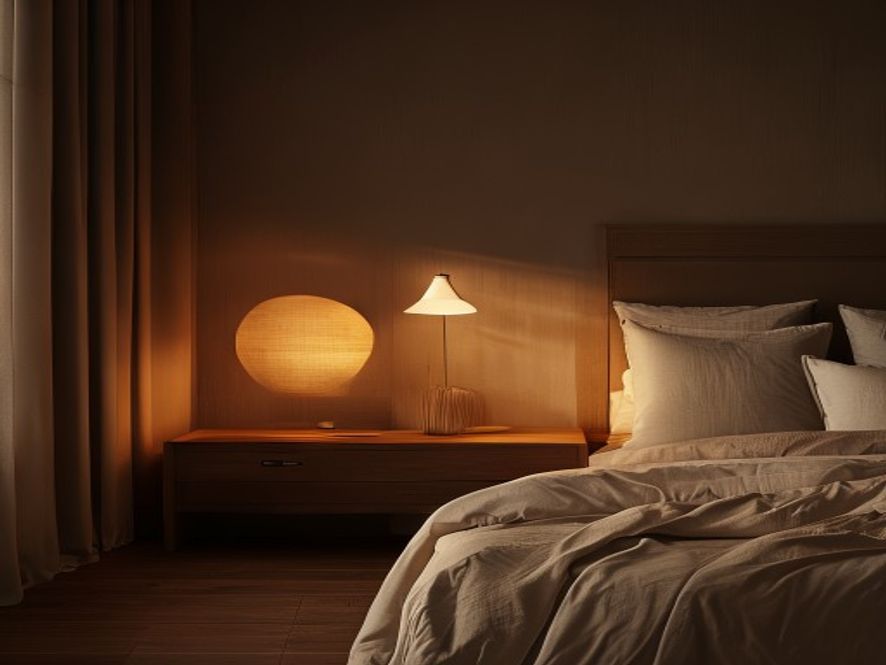
Your sleeping space is foundational to how your body and mind rest. Light exposure, temperature, sound, and consistency directly influence sleep quality and duration. We provide educational frameworks to help you design your ideal environment.
Understanding how light exposure shapes your natural sleep-wake cycle and practical strategies for managing brightness at different times.
Designing a sound environment that minimises disruption and supports deep sleep without requiring expensive soundproofing.
How room temperature, humidity, and ventilation contribute to sleep quality and simple adjustments you can make.
Educational frameworks for establishing predictable sleep and wake times that support your body's natural rhythms.
Exposure to light signals your body about time of day and alertness. A truly dark sleeping space allows melatonin production to proceed uninterrupted. We guide you through practical light management strategies—from simple blackout solutions to understanding blue light exposure.
Learning to manage your light environment is one of the most direct ways to improve sleep quality without supplements or interventions.
Explore Light Design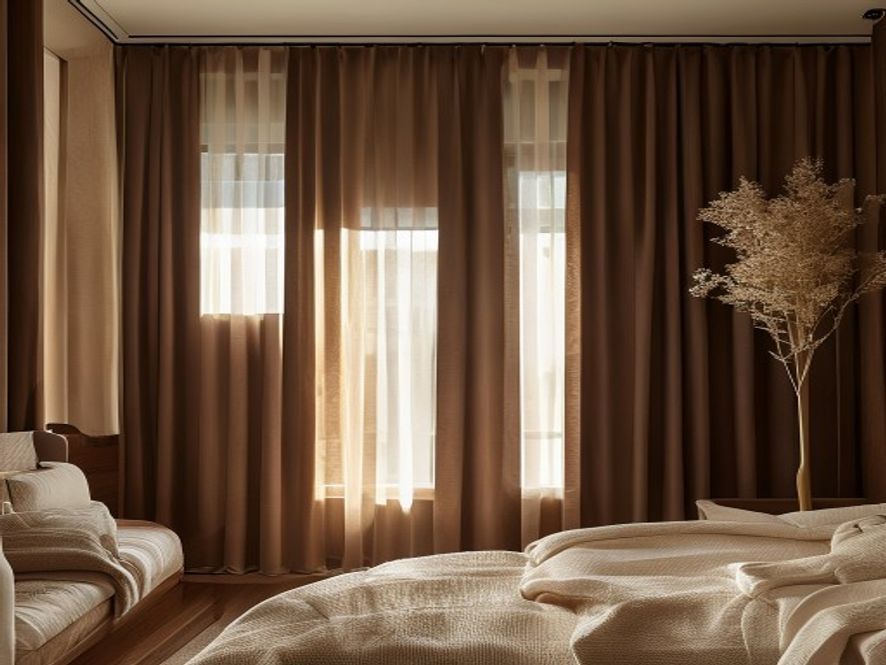
Our programmes and guides offer practical frameworks for sleep environment optimisation. All content is informational and educational in nature.
Self-guided checklist for assessing your current sleep space. Identify light leaks, noise sources, temperature patterns, and consistency challenges.
From NZD 39
EnquireEight-week programme covering light management, soundscape design, routine establishment, and environmental tracking. Group or personal formats.
From NZD 299
Book ConsultationDetailed resource covering sleep science fundamentals, room-by-room optimisation strategies, and long-term environmental maintenance frameworks.
From NZD 79
EnquireExplore how different environmental factors combine to create optimal rest conditions. This is an educational tool to help you understand sleep environment principles.
Sleep quality optimisation score: 68/100
This is an educational indicator. Individual sleep quality depends on many personal and health factors.
Key areas to assess when optimising your sleep space. This checklist helps you identify starting points.
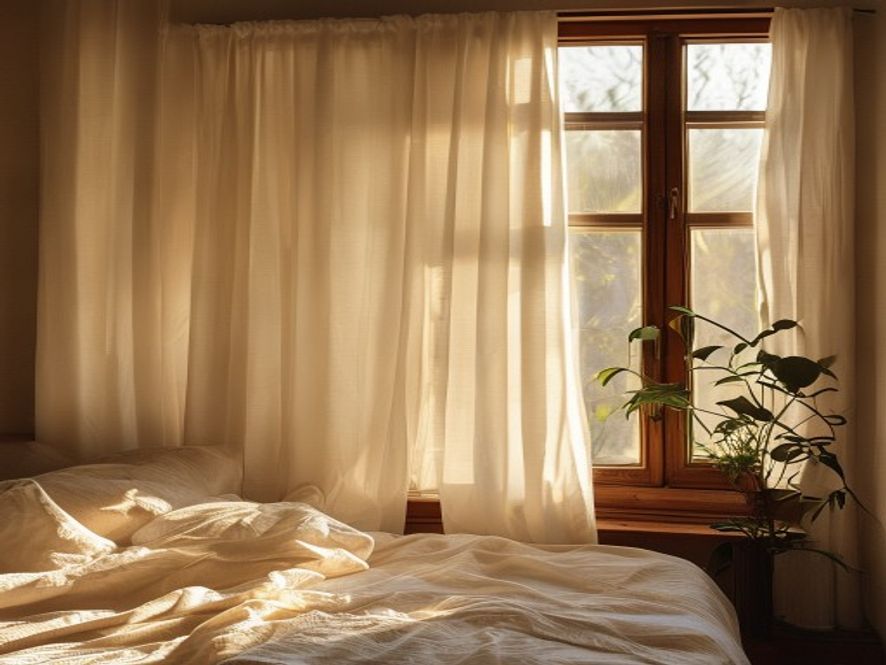
Exposure to bright light early in your day helps regulate your entire sleep-wake cycle. Morning sunlight signals alertness and helps establish the contrast needed for good evening sleep.
This doesn't require special lighting tools—natural morning exposure through windows is highly effective for most people. We guide you through implementing simple, consistent light exposure routines.
Learn Light StrategiesOur approach follows three phases of environmental and habit redesign.
Audit your current sleep environment using our frameworks. Identify light, sound, temperature, and consistency factors.
Create a personalised optimisation plan based on your space, preferences, and lifestyle. No one-size-fits-all approach.
Gradually introduce changes and track what works for you. Consistency over perfection is key.
Important: All content on this site is educational and informational only. Sleep optimisation works differently for every person. If you experience persistent sleep difficulties, insomnia, or suspect a sleep disorder, consult a qualified healthcare provider. Results vary based on individual physiology, health, and circumstances.
Individual experiences. Results and experiences vary based on personal factors.
"The light management strategies were practical and didn't require expensive equipment. I made simple changes and noticed a real difference in how I felt."
— Sophie, Hamilton
"Understanding my room's temperature and sound patterns gave me concrete things to work on. The checklist approach was helpful."
— Marcus, Wellington
"I appreciated that the focus was on environmental factors I could actually control, not medical claims."
— Emma, Christchurch
These educational markers help you assess your sleep environment effectiveness.
These are educational reference points based on sleep science literature. Individual optimal conditions vary.
No. We provide educational information about sleep environments and habits only. This is not medical treatment, diagnosis, or healthcare. If you have a sleep disorder or persistent sleep problems, consult a qualified healthcare provider.
Changes to sleep quality are individual. Many people notice improvements within 1–3 weeks of environmental changes. Habit formation and circadian rhythm adjustment typically take 4–8 weeks. Results depend on your starting point, consistency, and personal physiology.
No. Many effective improvements start with simple, inexpensive changes: blackout curtains, consistent wake times, room temperature adjustment, and removing light sources. Premium tools are optional and never required for optimisation.
Sleep is complex and involves many factors—health, stress, medication, underlying conditions, and more. Environmental optimisation works best alongside overall wellbeing. If issues persist, consult a healthcare provider to rule out medical causes.
Our content is designed for adults and parents. Children and teenagers have different sleep needs and development patterns. For paediatric sleep concerns, consult a healthcare provider or paediatric sleep specialist.
Contact us to explore our guides, programmes, and consultation options tailored to your space and goals.
Get Started